Aluminum Castings Explained: Secret Benefits and Solutions for Your Manufacturing Demands
Aluminum castings play a substantial duty in contemporary production. Their long lasting and lightweight nature makes them suitable for different applications. Industries such as auto and aerospace advantage from their adaptability. Understanding the benefits and the manufacturing process of light weight aluminum castings is necessary. Furthermore, choosing the appropriate company can influence quality and efficiency. What factors should be thought about when picking a light weight aluminum casting service? Checking out these elements discloses important understandings.
Benefits of Light Weight Aluminum Castings
Aluminum spreadings use numerous benefits that make them a favored choice in different sectors. One of the key benefits is their light-weight nature, which significantly lowers delivery and handling prices. Furthermore, light weight aluminum displays excellent corrosion resistance, ensuring longevity and minimized upkeep for items made from this material. The flexibility of aluminum allows for elaborate designs and complex shapes, providing manufacturers with higher adaptability in manufacturing.
Additionally, light weight aluminum spreadings have excellent thermal and electric conductivity, making them ideal for a selection of applications calling for warm dissipation or electrical components. The product additionally has a high strength-to-weight proportion, allowing the production of sturdy yet lightweight elements. In addition, aluminum can be reused without shedding its buildings, advertising sustainability in making procedures. In general, these benefits make light weight aluminum spreadings a reputable and effective choice for manufacturers looking for quality and efficiency in their products.
Applications of Aluminum Castings in Different Industries
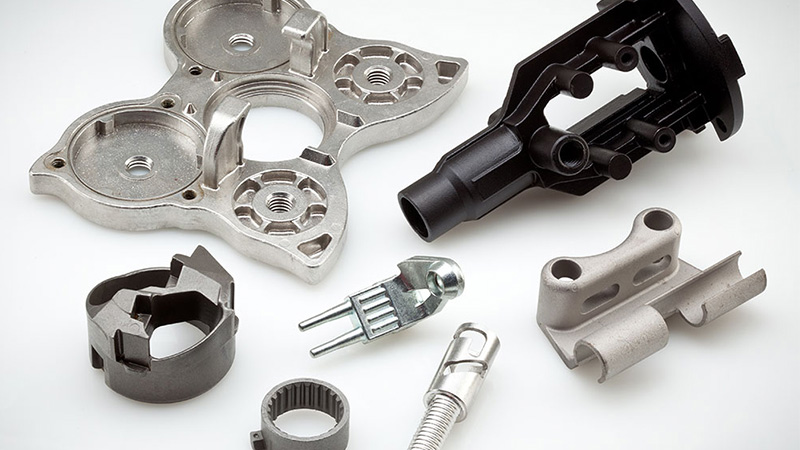
The benefits of aluminum spreadings make them highly demanded throughout various industries, consisting of auto, aerospace, and durable goods. In the automobile field, they are utilized for engine blocks, transmission instances, and wheels due to their lightweight nature, which boosts fuel efficiency. Aerospace applications gain from light weight aluminum spreadings in architectural parts and housings, offering strength while minimizing weight, essential for flight performance.
In durable goods, aluminum spreadings are made use of in items such as kitchenware and electronic rooms, offering resilience and aesthetic charm (Aluminum Castings). Additionally, the electrical market utilizes aluminum castings for warmth sinks and housings, making sure efficient thermal administration. The versatility of light weight aluminum permits for elaborate designs and complicated geometries, better broadening its applications. In general, the varied utility of light weight aluminum castings emphasizes their significance in modern manufacturing, contributing to development and efficiency across these essential markets

The Production Process of Aluminum Castings
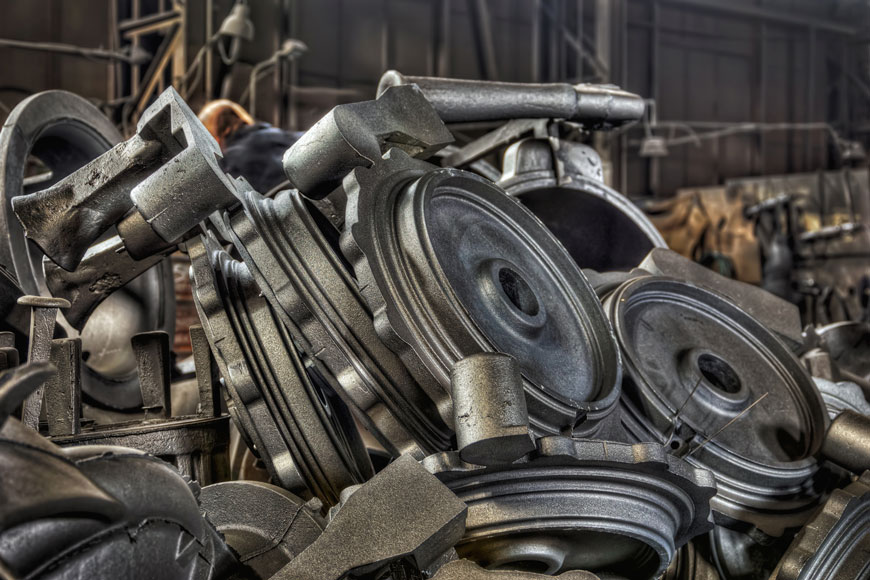
Casting light weight aluminum entails a number of important actions that transform raw steel right into precise components. The process starts with the melting of light weight aluminum scrap or ingots in a furnace, getting to temperature levels around 1,200 ° F. When molten, the aluminum is put into a mold and mildew, which can be made from sand, metal, or ceramic, depending upon the wanted requirements.
After pouring, the metal cools down and solidifies, creating the form of the mold (Aluminum Foundry). The following action involves eliminating the spreading from the mold, which may call for additional strategies to guarantee a smooth surface area finish
Subsequently, any type of excess product or blemishes can be machined or ground off to accomplish the final measurements. Quality evaluations are then conducted to validate that the casting fulfills called for requirements. This careful process enables manufacturers to create elements that are lightweight, long lasting, and ideal for a vast array of applications.
Selecting the Right Light Weight Aluminum Spreading Service
When selecting a light weight aluminum spreading solution, it is vital to contemplate numerous factors that can greatly affect the quality and effectiveness of the end product. First, the company's experience and know-how in light weight aluminum casting play a vital role in guaranteeing top quality outcomes. Firms must examine the company's portfolio and previous jobs to gauge their capabilities.
Furthermore, examining the modern technology and tools made use of by the spreading solution is necessary, as modern-day machinery can improve precision and minimize lead times. An additional essential variable is the capability to supply personalized remedies customized to particular task needs, which can significantly improve product performance.
Communication and consumer support should not be overlooked; a collective companion can facilitate smoother job why not check here implementation. Finally, thinking about cost-effectiveness without endangering quality is essential for making an educated choice. By meticulously evaluating these address aspects, makers can choose a spreading service that best fulfills their needs.
Future Fads in Aluminum Spreading Technology
As makers increasingly prioritize quality and effectiveness, advancements in aluminum casting modern technology are readied to transform the market. Emerging trends include the adoption of automation and robotics, which enhance precision and lower human error in casting procedures. Furthermore, the assimilation of synthetic intelligence and equipment learning is anticipated to optimize manufacturing timetables and enhance quality assurance.
Sustainability stays a main focus, with developments in reusing methods enabling more effective reuse of light weight aluminum scrap, therefore decreasing waste and power usage. Advanced simulation software program is also acquiring traction, making it possible for designers to version and forecast casting performance before real production, minimizing costly errors.
The development of brand-new alloys and advanced casting techniques, such as 3D printing, will broaden the opportunities for light-weight yet sturdy parts. With each other, these fads suggest a vibrant future for light weight aluminum spreading, driven by technical improvements that focus on efficiency, sustainability, and product high quality.
Often Asked Inquiries
Just How Do Light Weight Aluminum Castings Compare to Other Products?
What Are the Weight Limitations for Light Weight Aluminum Castings?
Weight constraints for aluminum castings normally depend upon the design and application, but they usually support load capabilities ranging from a couple of ounces to numerous heaps. Specific constraints emerge from aspects like wall density and architectural stability.
Can Aluminum Castings Be Fixed After Production?
Light weight aluminum castings can be fixed after production, making use of strategies such as welding or epoxy bonding. visit homepage The expediency of repairs relies on the degree of damage and the specific properties of the light weight aluminum alloy used.
What Finishes Are Readily Available for Light Weight Aluminum Castings?
Different coatings are offered for light weight aluminum castings, including anodizing, powder covering, polishing, and paint. These finishes boost appearance, provide corrosion resistance, and enhance surface sturdiness, dealing with diverse aesthetic and practical requirements in making applications.
How Do Environmental Laws Affect Aluminum Spreading Processes?
Ecological regulations significantly affect light weight aluminum casting procedures by mandating stricter emissions controls, encouraging reusing techniques, and promoting lasting products. These policies force makers to embrace cleaner modern technologies and minimize their ecological impact in production tasks.
Comments on “Aluminum Foundry: Ensuring Reliability and Accuracy”